How Essos Vets Clinics:
Our Medical Board Process
Every Essos clinic passes a six-step review by the board-certified doctors of the Essos Medical Board, then is reviewed again at least once a year.
In this article
- Is medical tourism safe?
- Who reviews the clinics on Essos?
- How does the Essos Medical Board review a clinic?
- What vetting covers, and what it leaves to you
- What happens when you book through Essos?
- How can you check a clinic yourself?
- Some results from clinics in the Essos network
- Frequently asked questions
If you've been researching cosmetic surgery abroad, you probably know the feeling of finding a clinic with a beautiful website, amazing reviews and perfect before-and-afters, almost too good to be true. Before you put your trust in a clinic that is thousands of miles away, it's worth doing more research. Are the clinic's credentials truly the right ones? How often does this surgeon actually do your specific procedure? Who looks after you if you have complications?
The Essos Medical Board, a group of board-certified doctors, answers those questions for every clinic before it joins Essos, and this page shows you how.
Is medical tourism safe?
Yes, medical tourism can be safe and smooth when planned the right way. That means having your procedure in a properly vetted facility with an experienced, board-certified surgeon, and planning your post-op care before you fly abroad.[1][2] The details that decide how surgery goes, like the quality of the facility or how often the surgeon performs your operation, rarely appear on clinic websites.
Every clinic on Essos is first reviewed by the board-certified doctors of the Essos Medical Board, who know which credentials count and which details separate a good clinic from an excellent one.
Who reviews the clinics on Essos?
World-renowned surgeons
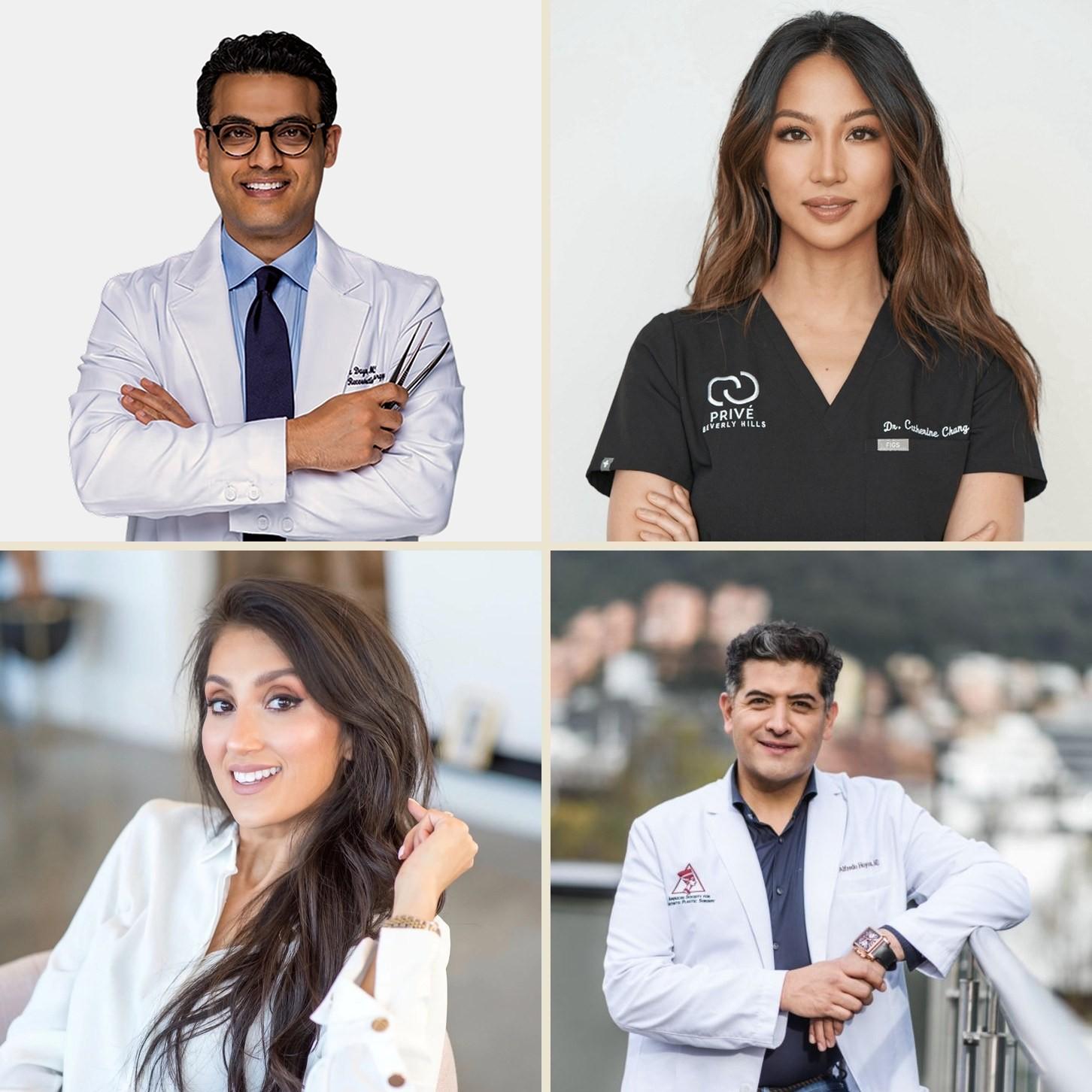
Our medical board is made up of globally recognized surgeons, physicians and specialists, each chosen for their leadership in patient safety, medical innovation and clinical outcomes.
From reviewing partner clinics to advising on new procedures, they uphold the standards that make Essos trusted by patients around the world. With decades of combined experience and thousands of successful treatments, they are the backbone of our commitment to care without compromise.
Medical field innovators
Our board members have driven advances in healthcare delivery, surgical techniques and patient care standards. Several have written the textbooks surgeons learn from, including board member Dr. Rod Rohrich and Essos' Chief Medical Officer Dr. Erez Dayan, who co-wrote Facial Danger Zones on facial plastic surgery.[8]
Clinical research pioneers
Board members have extensively published research on aesthetic surgery, surgical techniques and patient outcomes, and much of it has been internationally recognized. They continuously advance the cosmetic surgery field with improvements in treatment standards.
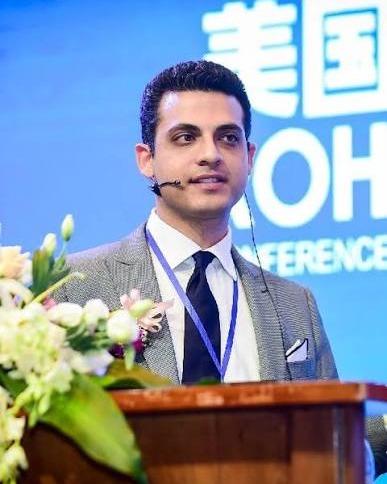
Dr. Erez Dayan
Chief Medical Officer
@avanceplastic
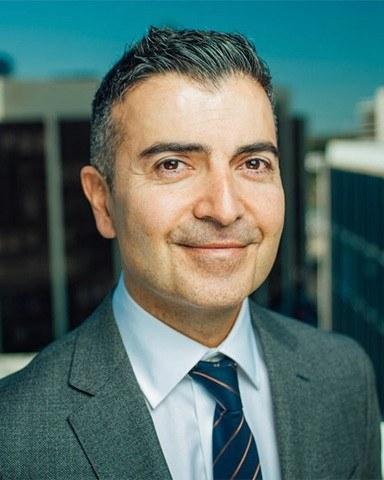
Dr. Kami Parsa
Newsweek's America's Best Plastic Surgeons, 2026

Dr. Sheila Farhang
Double Fellowship-Trained Cosmetic Surgeon
@dr.sheila
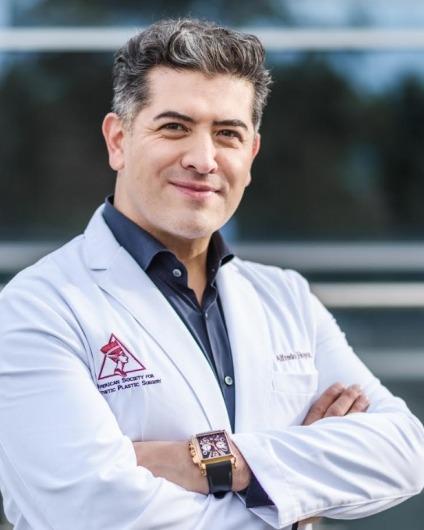
Dr. Alfredo Hoyos
Sanvenero Rosselli Foundation Lifetime Achievement Award
@alfredo
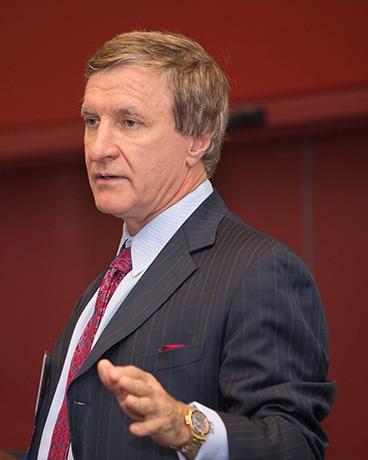
Dr. Rod Rohrich
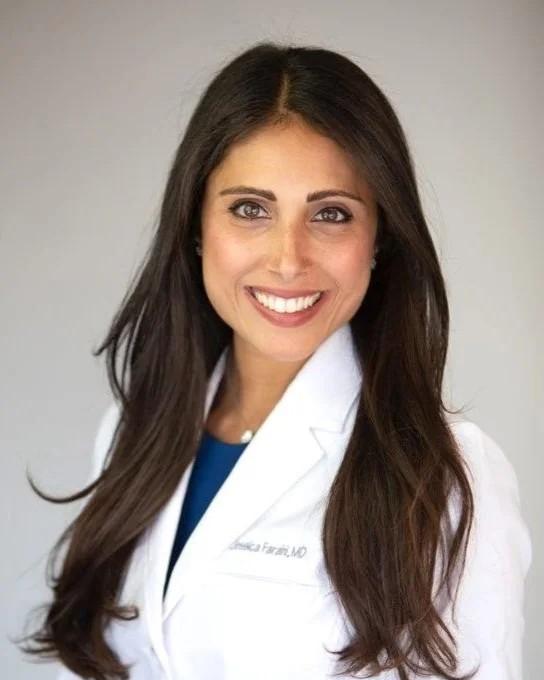
Dr. Jessica Farahi
Board-Certified Dermatologist
Diplomate, American Board of Dermatology
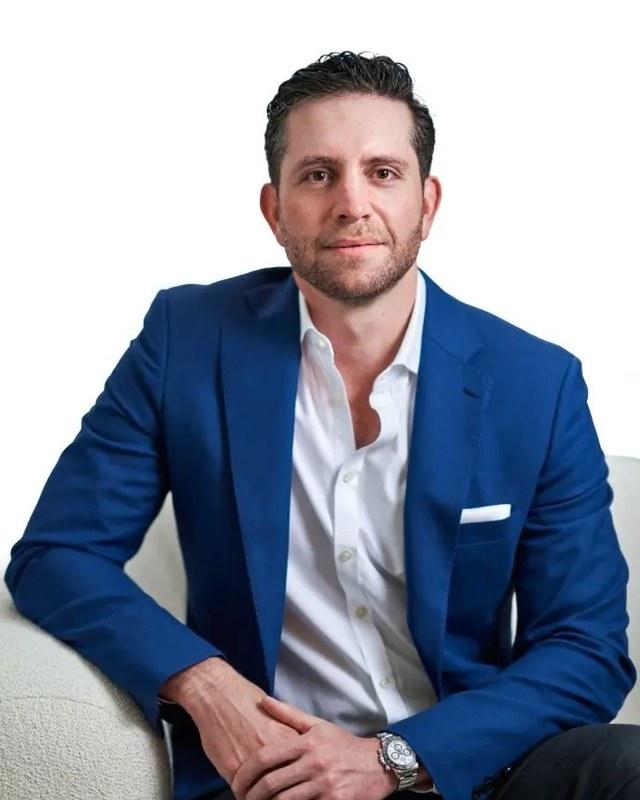
Dr. Harry Salinas
Harvard-Trained Plastic Surgeon
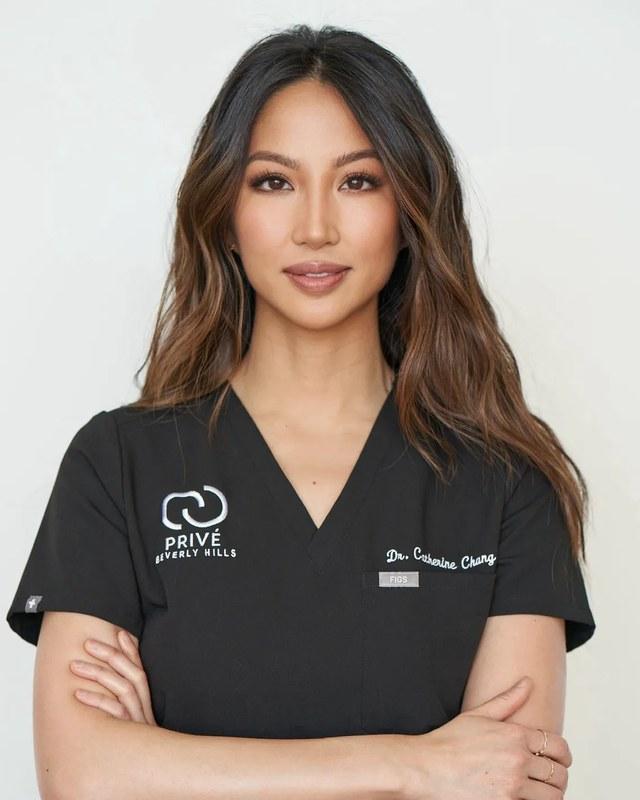
Dr. Catherine Chang
Harvard-Trained Plastic and Reconstructive Surgeon
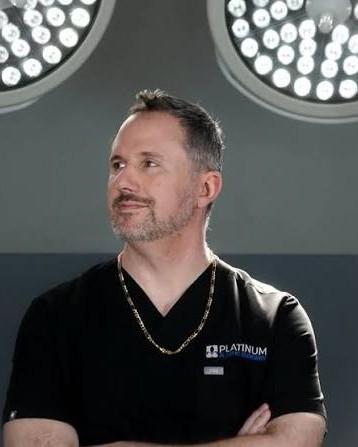
Dr. Christopher Costa
UT Southwestern-Trained Plastic Surgeon
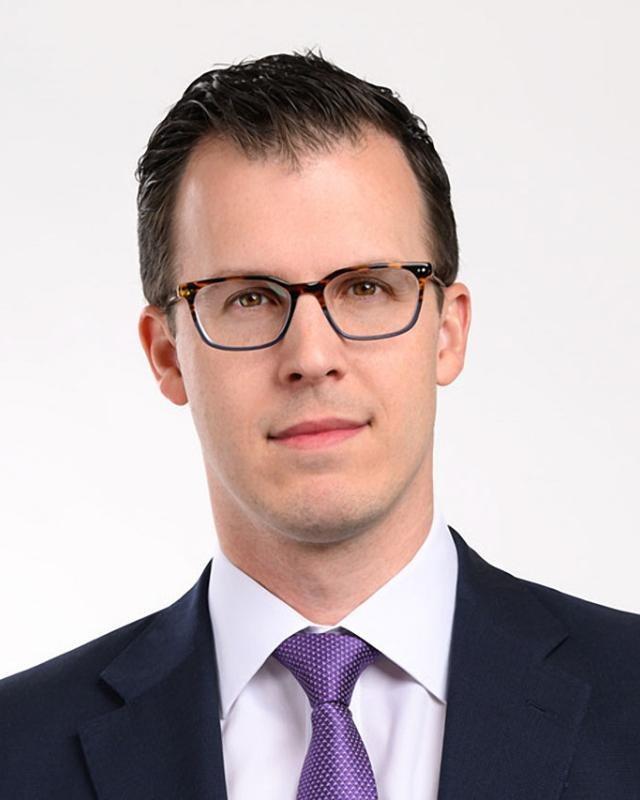
Dr. David Mattos, MD, MBA
Harvard-Trained Plastic Surgeon
Meet the board's members on the Essos Medical Board page.
How does the Essos Medical Board review a clinic?
The Essos Medical Board reviews every clinic in six steps, from validating its medical accreditation to monitoring ongoing compliance. The steps are the same in every country, so a clinic in Mexico is held to the same bar as one in Turkey. The review covers the operation and every step before and after it, from the consultation that sets your plan to the aftercare that follows you home. The first five steps happen before a clinic can join.
- 1. Validate medical accreditationThe board verifies all institutional accreditations, medical licenses and regulatory compliance to make sure facilities meet international healthcare standards. Since every country has its own licensing system, the board identifies the accreditations that carry real weight where a clinic operates and confirms each one with the body that issued it.
- 2. Review physician credentialsEvery surgeon is thoroughly vetted, including their board certifications, education, legal standing and surgical experience, each confirmed with the body that issued it. In Turkey, for example, the board looks for Turkish board certification and TSPRAS membership, while in Mexico, it looks for certification from CMCPER, the Mexican plastic surgery council, and a specialist license (cédula de especialista).[3][6][7]The board also asks how often the surgeon performs your operation, because experience and steady practice tend to lower the risk of complications.[2]
- 3. Evaluate facility and equipmentThe board looks at each clinic's operating rooms, safety standards and equipment to make sure it's a sound place to have surgery. Infection is the most common complication among medical tourists, which in one large US study followed about 5 in 1,000 cosmetic surgeries, so the board pays close attention to sterilization, infection control, anesthesia and overnight care.[1][5]The board also checks for the most modern and precise equipment, such as 3D imaging to preview a rhinoplasty or digital scalp analysis to map a hair transplant. Equipment like this can improve the quality of a procedure and let you see your plan before surgery.
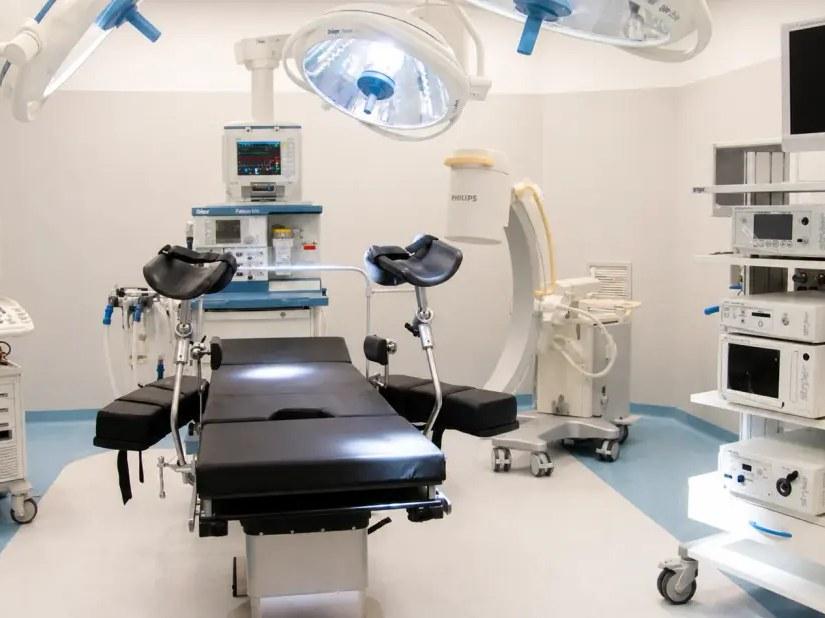
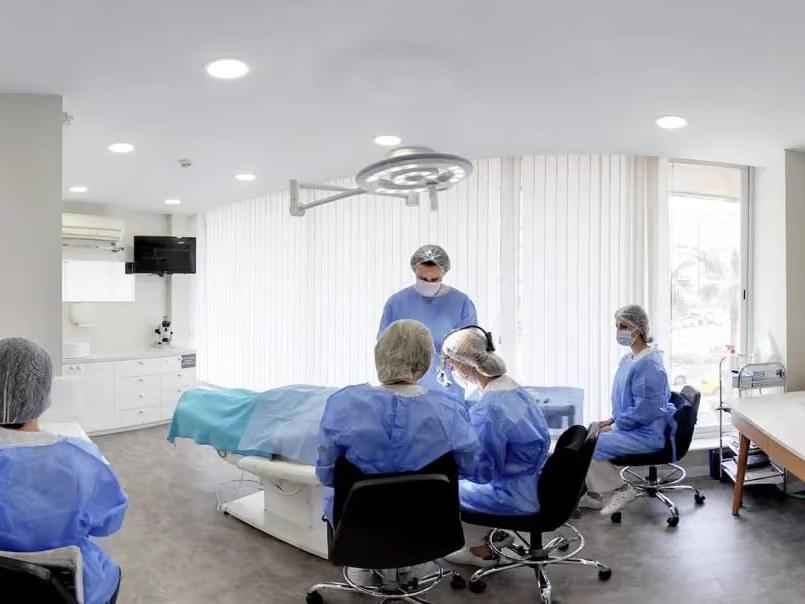
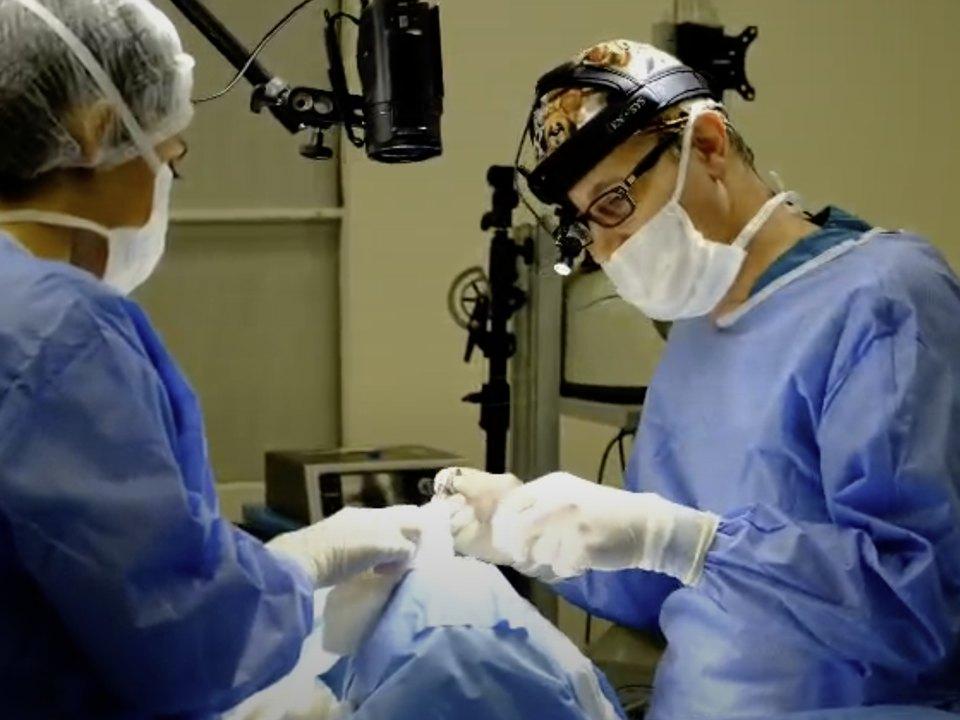



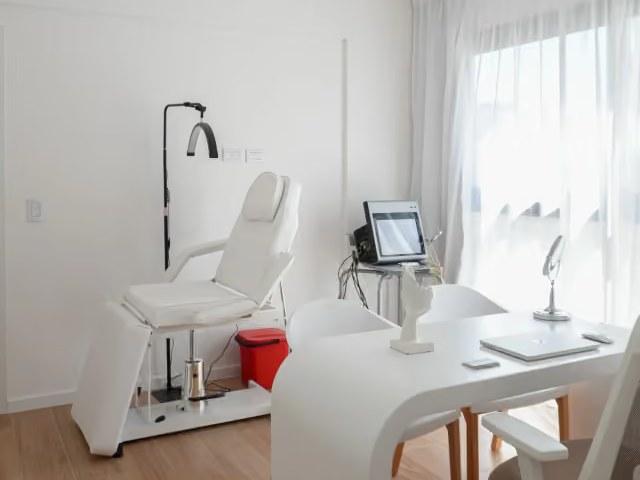
Operating rooms, patient rooms, clinics and hospitals in the Essos network.
- 4. Assess clinical performanceThe board carries out a detailed evaluation of treatment effectiveness, complication rates, revision requirements and overall patient outcome data. If a clinic isn't transparent about these, including how it cares for a patient when something doesn't go to plan, the board doesn't approve it.See before-and-afters from clinics in the Essos network below.
- 5. Review patient satisfactionThe board reviews patient feedback, testimonials and satisfaction data, including how the clinic handled any problems, to make sure care stays consistent.
- 6. Monitor ongoing complianceCertified clinics are reassessed at least once a year, and sooner if a license, an accreditation or a surgeon changes, so they keep to high standards and current best practice.A clinic is removed if it loses an accreditation or license, if one of its surgeons no longer meets the board's standards, or if its results or patient reports fall below them. Clinics can't pay to join Essos or to be shown first, so the only way onto the platform is through the board's review.
What vetting covers, and what it leaves to you
Vetting narrows your choice to surgeons who have passed every check, but it would be unfair to say it removes all of the risk.[1] Infections are the most common complication among medical tourists, which in one large US study happened after about 5 in 1,000 cosmetic operations, and surgery and long flights also raise the risk of blood clots.[1][5]
Good planning lowers that risk further, so your Essos concierge times your flight home around your recovery and keeps your aftercare on track.
The trip itself is the other half, from flights and hotel nights to your aftercare months after the procedure. With Essos, a concierge coordinates everything outside of vetting the surgeon. Your personal concierge plans your flights, hotel and ground transport, while staying in contact with you and your surgeon through the entire process.
“If they don't meet our criteria, they don't end up on the platform, no matter how many followers they have. We've said no to trendy clinics and yes to hidden gems — places delivering truly world-class outcomes.”
What happens when you book through Essos?
With Essos, you plan your procedure on a video call with the surgeon who will operate on you, before anything is booked. You compare the vetted clinics for your procedure side by side and make the choice that suits you, with the guidance of your whole Essos team. An Essos concierge then coordinates your trip, and once you're home, your surgeon leads your aftercare and you can message them through the Essos app.
How can you check a clinic yourself?
You can check any clinic yourself, including the ones on Essos. Plastic surgeons suggest comparing two or three surgeons before you choose, and each one takes a few official lookups.[9]
- Hospital accreditation: search Joint Commission International's list of accredited organizations.
- Turkey: confirm the surgeon is a TSPRAS member with Turkish board certification in TSPRAS's online directory, which is in Turkish, so search by the surgeon's last name. For hair transplants, also check the clinic on the Ministry of Health's list of licensed hair transplant centers.
- Mexico: check the surgeon's certification with CMCPER, the Mexican Council of Plastic, Aesthetic and Reconstructive Surgery (in Spanish).
- South Korea: check the hospital's accreditation with KOIHA.
- Europe: look for EBOPRAS certification or the country's own specialist register, since each country keeps its own.
- Any country: search the ISAPS surgeon directory and, for hair transplants, the ISHRS doctor finder.
Then, for each clinic:
- Ask how many of your procedure the surgeon performs each year.[9]
- Ask where the surgery happens, and whether it's an accredited hospital or surgical center with an anesthesiologist on site.[1][9]
- Get a written quote that lists what's included, from anesthesia and hotel nights to follow-up visits, and what happens if you need a revision.[4]
- Read reviews closely. Patients who post photos over months of healing tell you more than a burst of short five-star posts.
- Have a consultation with the surgeon who will operate on you before you book.[1][4]
Plan for about one or two dozen lookups across two or three clinics, some of them in different languages. The Essos Medical Board runs these checks, and more, before any clinic joins Essos. For country-by-country checks in more detail, see the Complete Guide to Rhinoplasty Abroad and the Complete Guide to Hair Transplants Abroad.
Some results from clinics in the Essos network
Real patients of clinics in the Essos network. Results vary with anatomy, skin, and healing.
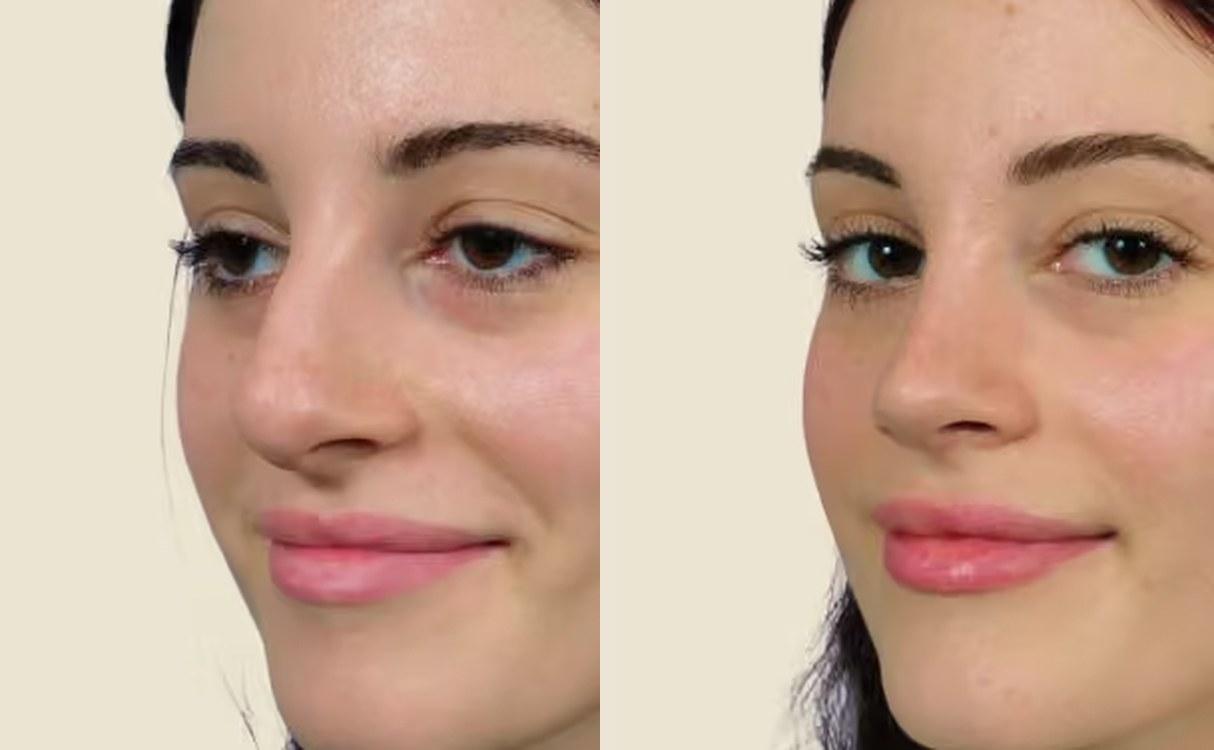
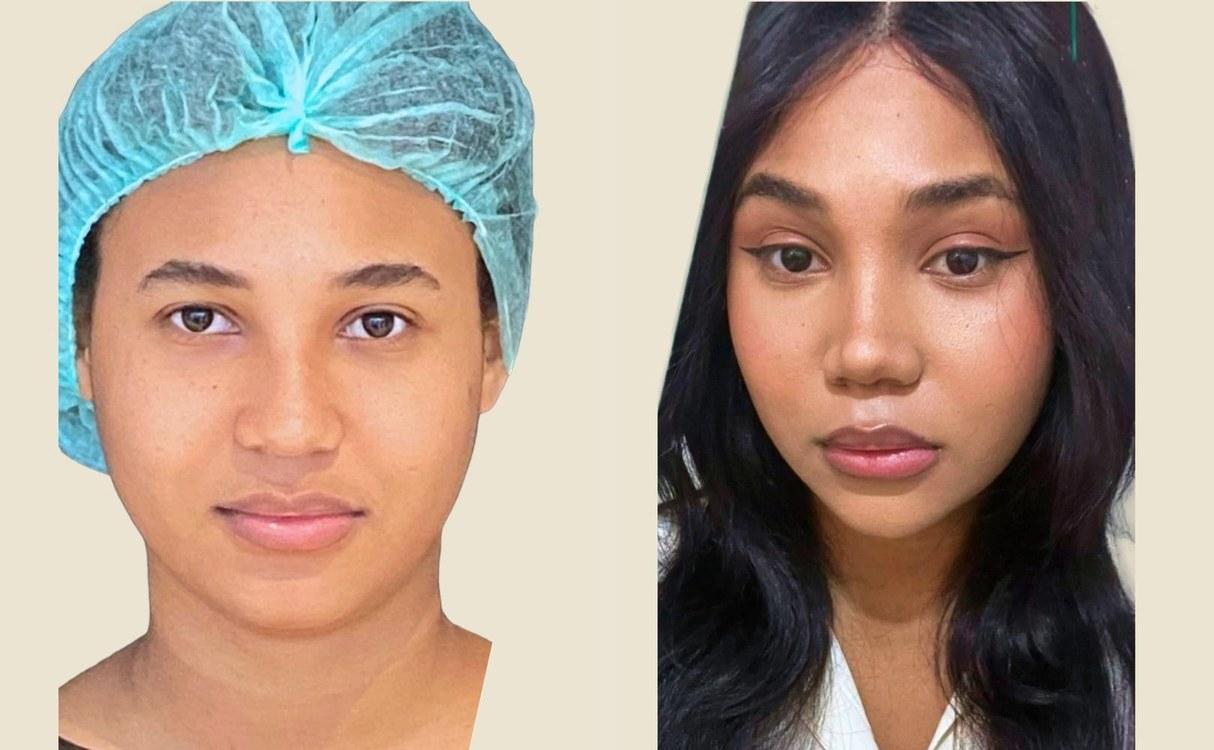
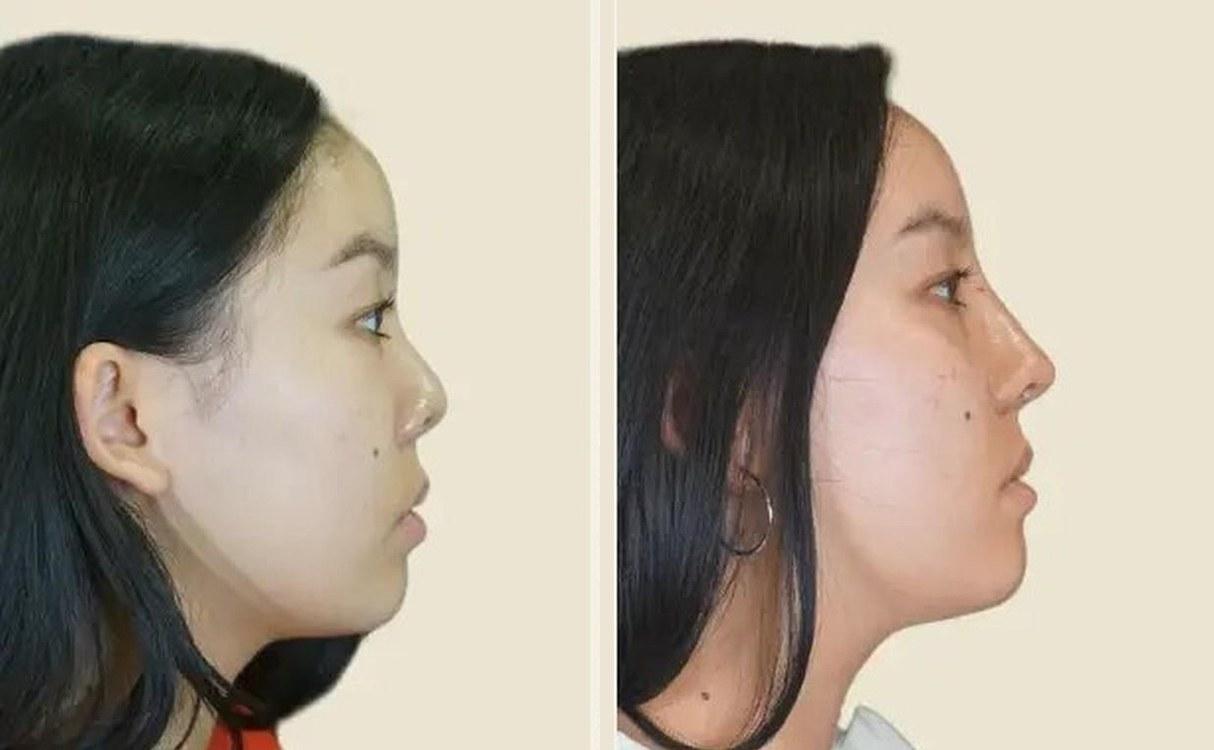
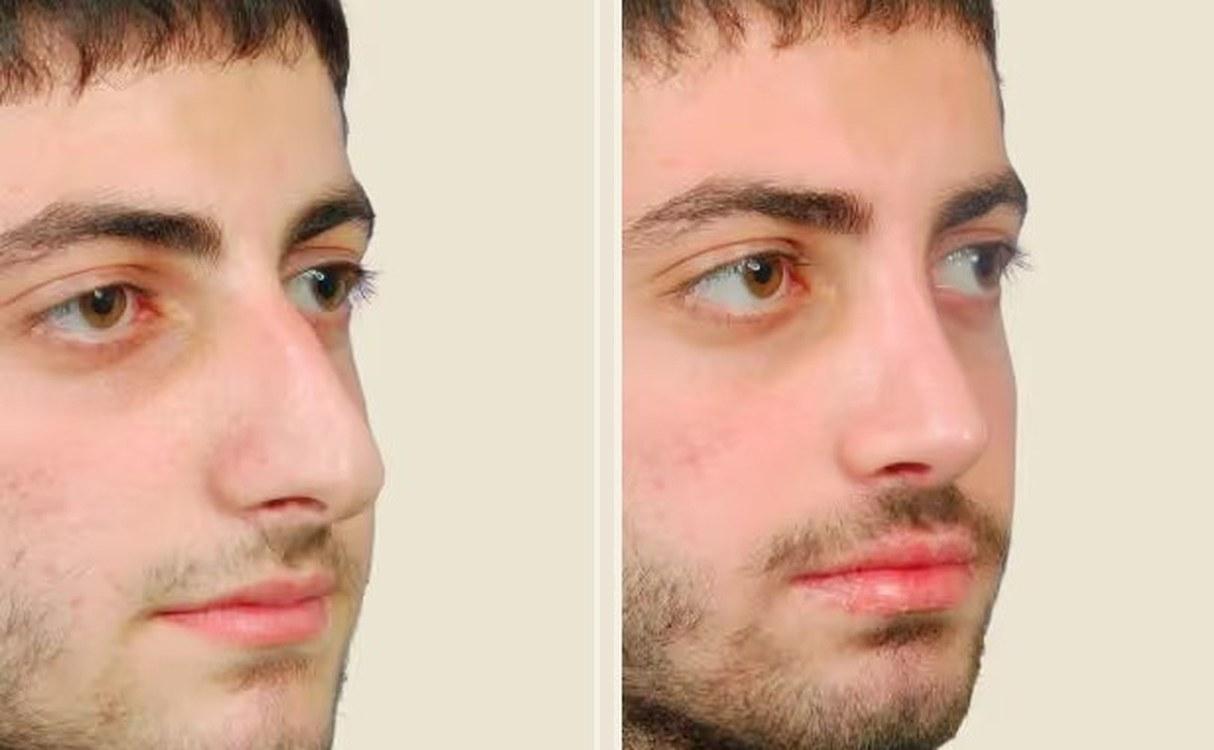
Rhinoplasty before-and-afters
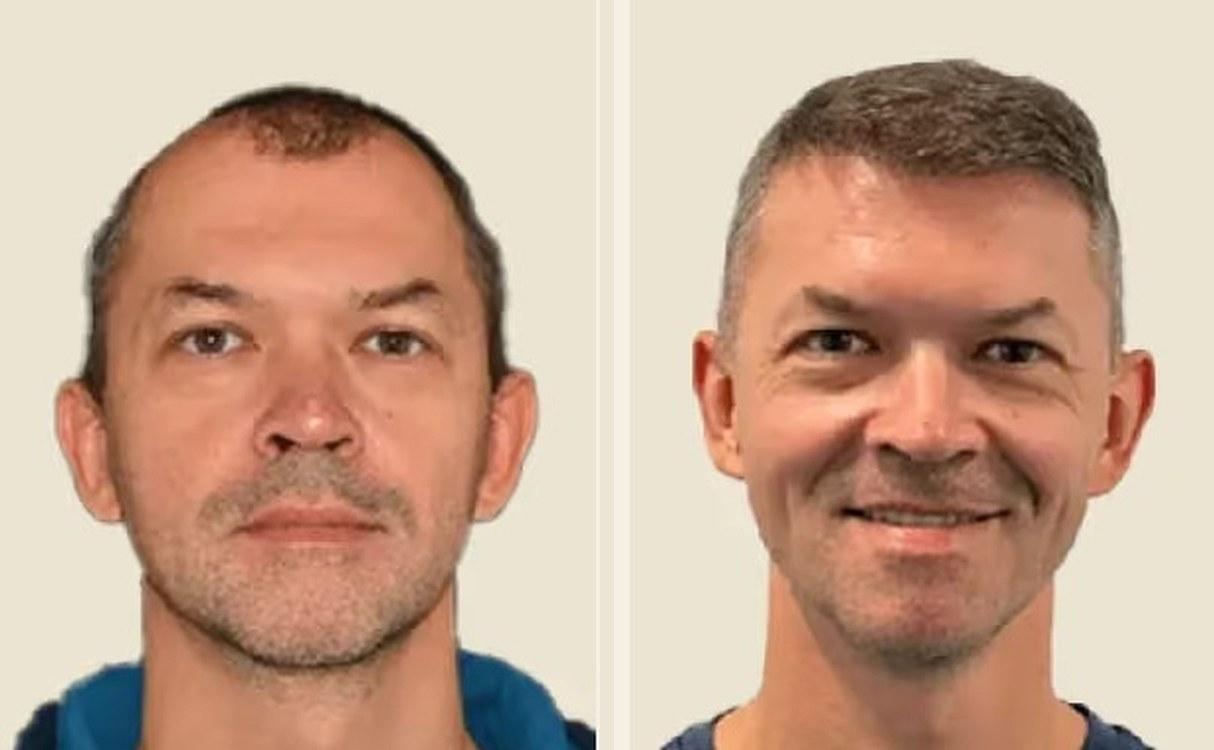
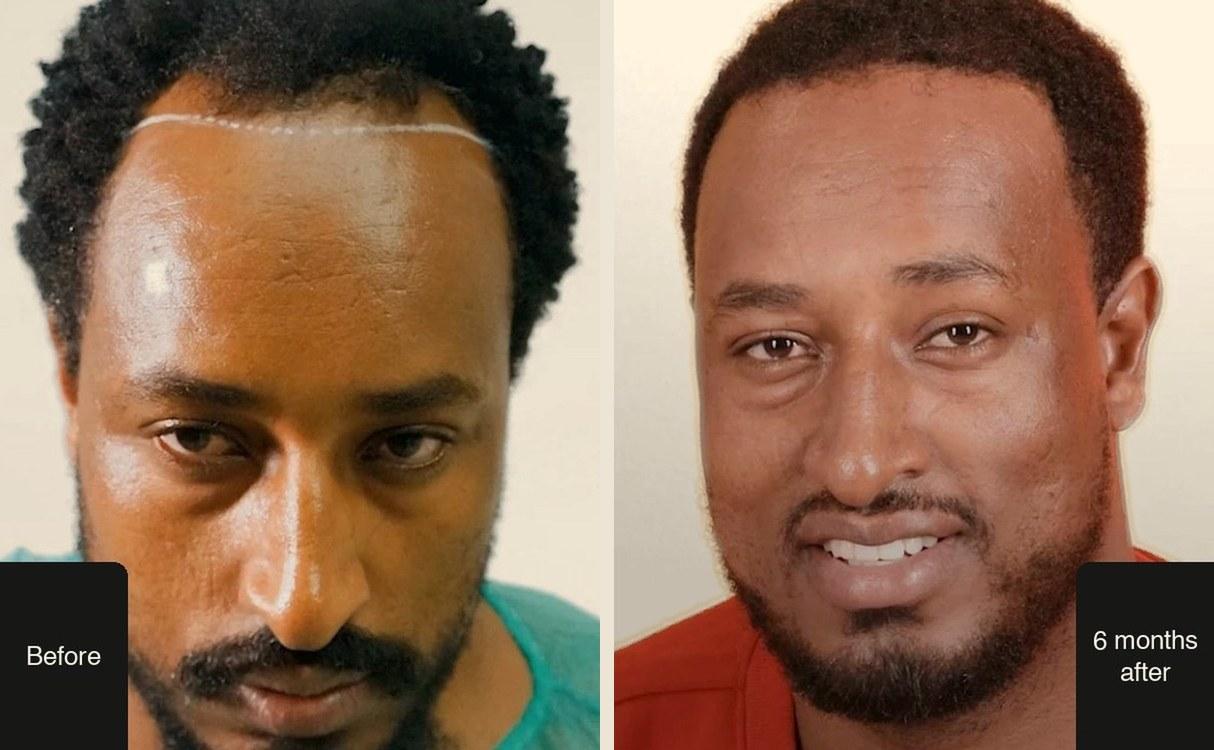
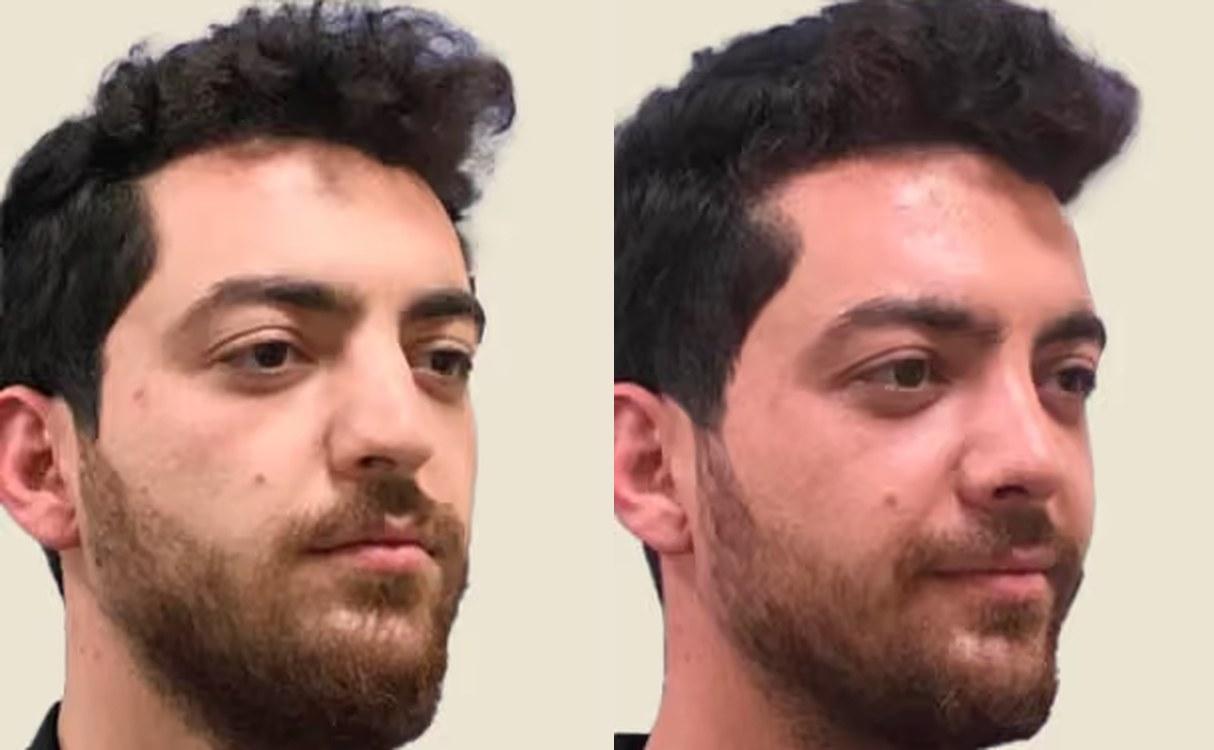
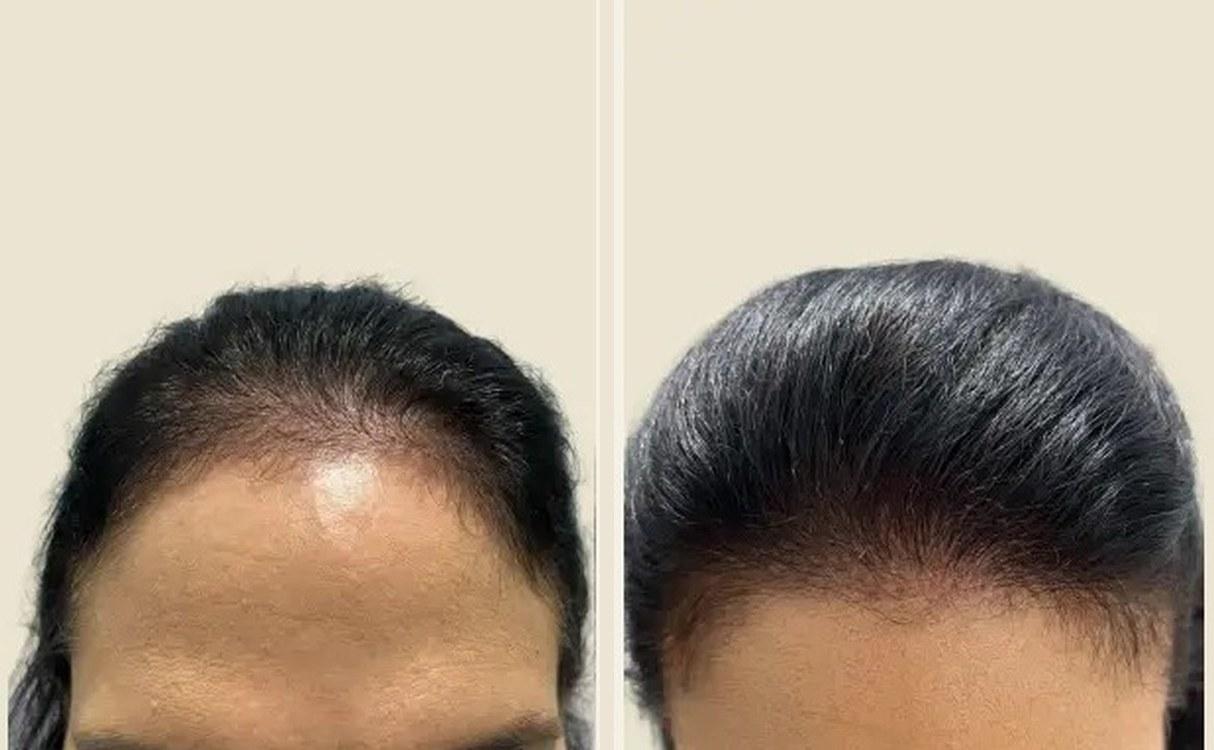
Hair transplant before-and-afters
Frequently asked questions
Is medical tourism safe?
Who vets the clinics on Essos?
The Essos Medical Board, a group of board-certified doctors led by Harvard-trained surgeons, with Chief Medical Officer Dr. Erez Dayan overseeing the review. Each member's credentials are listed on the Essos Medical Board page.
How often are Essos clinics re-checked?
At least once a year, and sooner if a license, an accreditation or a surgeon changes. A clinic that no longer meets the board's standards is removed from Essos.
Can a clinic pay to be listed on Essos?
No. Clinics can't pay to join Essos or to be shown first, and every clinic goes through the same six-step review.
Does vetting guarantee a good result?
How can I check a surgeon abroad myself?
Check the surgeon's board certification with their country's plastic surgery society or specialist register, and the hospital's accreditation, then have a consultation with the surgeon who will operate on you before you book.[1][4] The official lookups for Turkey, Mexico, South Korea and Europe are listed above.
Sources (9)
- 1.Stoney RJ, Leidel L. (2025, April 23). Medical Tourism. CDC Yellow Book 2026. https://www.cdc.gov/yellow-book/hcp/health-care-abroad/medical-tourism.html
- 2.Morche J, Mathes T, Pieper D. (2016). Relationship between surgeon volume and outcomes: a systematic review of systematic reviews. Systematic Reviews, 5, 204. https://doi.org/10.1186/s13643-016-0376-4
- 3.BAAPS and TSPRAS. (2023, June 23). Joint Statement from BAAPS and TSPRAS. https://baaps.org.uk/about/news/1877/joint_statement_from_the_baaps_the_british_association_of_aesthetic_plastic_surgeons_and_tspras_the_turkish_society_of_plastic_reconstructive_and_aesthetic_surgeons
- 4.ISAPS. (n.d.). Considering Your Procedure Abroad: Make a Plan. https://www.isaps.org/discover/patients-home/considering-your-procedure-abroad/make-a-plan/
- 5.Sergesketter AR, Shammas RL, Geng Y, et al. (2023). Tracking Complications and Unplanned Healthcare Utilization in Aesthetic Surgery: An Analysis of 214,504 Patients Using the TOPS Database. Plast Reconstr Surg, 151(6), 1169-1178. https://pmc.ncbi.nlm.nih.gov/articles/PMC10790563/
- 6.Consejo Mexicano de Cirugía Plástica, Estética y Reconstructiva (CMCPER). (n.d.). Home page. https://cmcper.org/
- 7.Cámara de Diputados (Mexico). (2026). Ley General de Salud, Article 272 Bis. https://www.diputados.gob.mx/LeyesBiblio/pdf/LGS.pdf
- 8.Rohrich RJ, Stuzin JM, Dayan E, Ross EV. (2020). Facial Danger Zones: Staying Safe with Surgery, Fillers, and Non-Invasive Devices. Thieme. https://shop.thieme.com/Facial-Danger-Zones/9781684200030
- 9.Rohrich RJ, for ASPS. (2017, June 23). How to ensure your plastic surgery is safe. https://www.plasticsurgery.org/news/blog/how-to-ensure-your-plastic-surgery-is-safe
Essos has strict sourcing guidelines to ensure our content is accurate and current. We rely on peer-reviewed studies, academic research institutions, and medical associations. We strive to use primary sources and refrain from using tertiary references. See a mistake? Let us know at info@essos.com.
This article is for informational purposes only and does not constitute medical advice. The information contained herein is not a substitute for and should never be relied upon for professional medical advice. Always talk to your doctor about the risks and benefits of any treatment. Learn more about our editorial standards here.
The details matter. We're here to clarify them.
We make it simple to discover, book, and finance cosmetic surgery, hair transplants, and other aesthetic procedures at vetted clinics worldwide — all in one seamless experience.
Every clinic on Essos is reviewed by our Medical Board of 30+ board-certified surgeons, led by our Chief Medical Officer, Dr. Erez Dayan (formerly Chief Resident in Plastic & Reconstructive Surgery at Massachusetts General Hospital/Harvard Medical School). With flexible financing options, Essos gives you global access with complete peace of mind.
- Discover — Explore our handpicked network of world-class, board-vetted clinics worldwide.
- Consult — Connect directly with your chosen clinic's medical team for personalized guidance.
- Book — Secure your procedure date with clear, upfront pricing and no hidden fees.
- Finance — Spread costs with flexible payment plans designed to beat traditional medical financing.
- Trust & Safety — Every clinic is vetted by our independent Medical Board of 30+ board-certified surgeons.
- Upfront Pricing — Transparent, all-inclusive costs. No hidden fees, no surprises.
- Concierge Care — 24/7 personal support before, during, and after your procedure.
- Smarter Financing — Flexible payment plans with better terms than traditional medical lenders.
- All-in-One Platform — From discovery to recovery, everything managed seamlessly in one place.
We verify credentials, inspect facilities, review patient outcomes, and ensure each clinic meets international accreditation standards, so you never have to second-guess your choice.
On average, Essos procedures cost up to 80% less than the same treatments in the U.S.
From there, your dedicated concierge will guide you step by step — answering questions, arranging details, and supporting you throughout the entire process.
